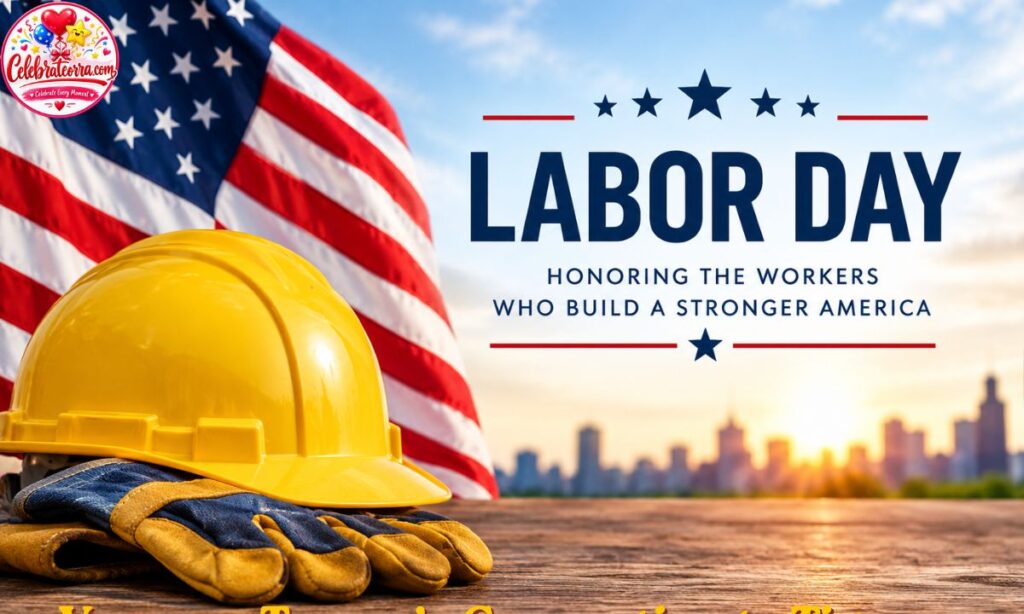
Labor Day is one of the most familiar U.S. holidays, marking the unofficial end of summer while honoring the contributions and achievements of American workers. In 2026, Labor Day falls on Monday, September 7, giving many Americans a long weekend for travel, family gatherings, community events, and seasonal celebrations. But the holiday has a much deeper history than barbecues and the final summer weekend. Its roots reach back to the organized labor movement of the late 19th century, when workers pushed for better wages, safer workplaces, shorter hours, and greater recognition.
Understanding Labor Day also means understanding an important chapter in U.S. history. From its beginnings in New York City to its establishment as a federal holiday in 1894, the observance reflects decades of organizing and social change. This guide explains the history, meaning, traditions, federal status, and international context of Labor Day while answering the most common questions about the 2026 observance.
Labor Day 2026: Date and Meaning
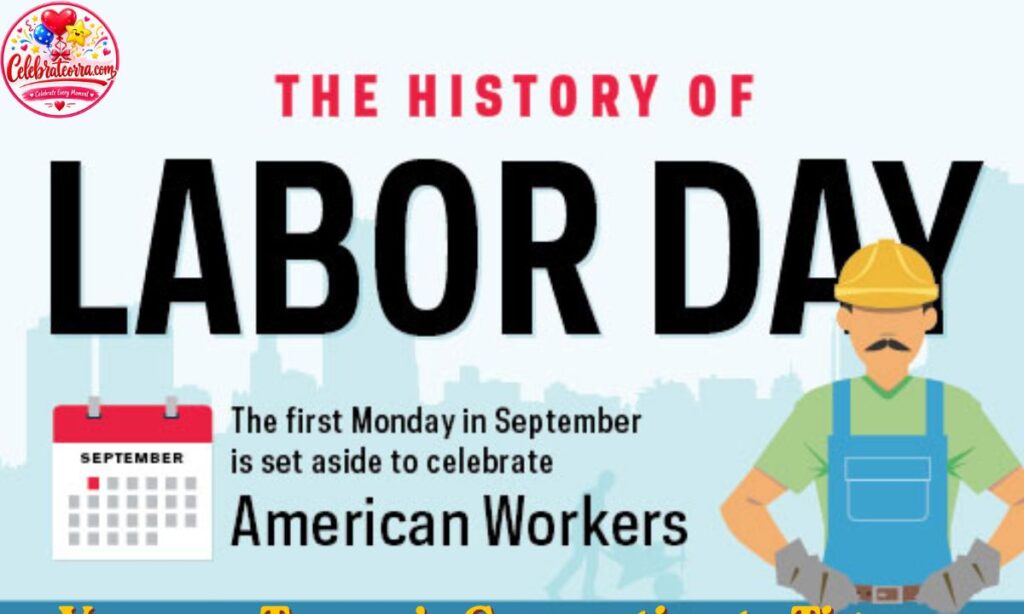
Labor Day 2026 will be observed on Monday, September 7, 2026. Under federal law, Labor Day is celebrated on the first Monday in September each year. The U.S. Office of Personnel Management lists Labor Day among the nation’s federal holidays.
The central meaning of Labor Day is recognition of the social and economic contributions of workers. It provides an opportunity to reflect on the people whose work supports businesses, communities, public services, manufacturing, transportation, education, health care, technology, agriculture, and countless other parts of everyday life.
For many Americans, Labor Day also has a practical seasonal meaning. The three-day weekend often becomes a time for vacations, cookouts, sporting events, shopping, outdoor activities, and gatherings with friends and relatives. Still, the holiday’s historical purpose remains connected to the American workforce and the labor movement.
Because Labor Day occurs on a Monday, the weekend immediately before it is commonly called Labor Day weekend. In 2026, that weekend runs from Saturday, September 5, through Monday, September 7.
History of Labor Day
The history of Labor Day begins during a period when industrialization was rapidly changing American society. Factories, railroads, construction projects, mines, and other industries employed large numbers of workers, while organized labor increasingly pushed for improvements in working conditions.
The first Labor Day celebration took place in New York City on September 5, 1882. The Library of Congress identifies the Central Labor Union as the organization behind the event. Workers and supporters gathered for a parade and other activities designed to recognize the contributions of working people.
The idea spread beyond New York. By 1887, Oregon had become the first state to designate Labor Day as a state holiday, and other states followed. By the time Congress acted in 1894, numerous states were already observing the occasion.
Origins of the U.S. Labor Movement
The labor movement developed as workers organized around concerns such as wages, hours, workplace safety, and collective bargaining. The National Labor Union, founded in 1866, was among the earliest attempts to create a national labor organization. One of its major early demands was an eight-hour workday.
Trade unions and worker organizations became increasingly influential during the late 19th century. Their activities included organizing meetings, negotiating with employers, supporting strikes, and campaigning for labor reforms.
Labor Day emerged from this broader environment of worker organization. Its original celebrations were not simply recreational occasions. They provided workers with a public platform to demonstrate solidarity and highlight the importance of labor in the country’s growing economy.
Over time, the political and industrial conflicts surrounding the labor movement became part of the larger story of American social and economic development. The holiday eventually moved from a local labor celebration to a nationwide federal observance.
Who Created Labor Day?
There is no completely settled answer naming a single individual as the sole creator of Labor Day. The first celebration was organized through the Central Labor Union in New York City, making the event a product of organized labor rather than the work of one universally recognized founder.
Peter J. McGuire, a prominent labor leader and co-founder of the American Federation of Labor, is frequently credited with proposing the idea of a holiday honoring workers. However, historical accounts have also associated Matthew Maguire, a machinist and secretary of the Central Labor Union, with the creation of the first celebration.
Because historical sources differ over the precise role of each man, it is more accurate to describe Labor Day as emerging from the organized labor movement and the Central Labor Union rather than attributing its entire creation to one person.
The first celebration on September 5, 1882, established the basic model: a public demonstration, speeches, community participation, and recognition of working people. The concept proved popular enough to spread to other states during the following decade.
When Did Labor Day Become a Federal Holiday?
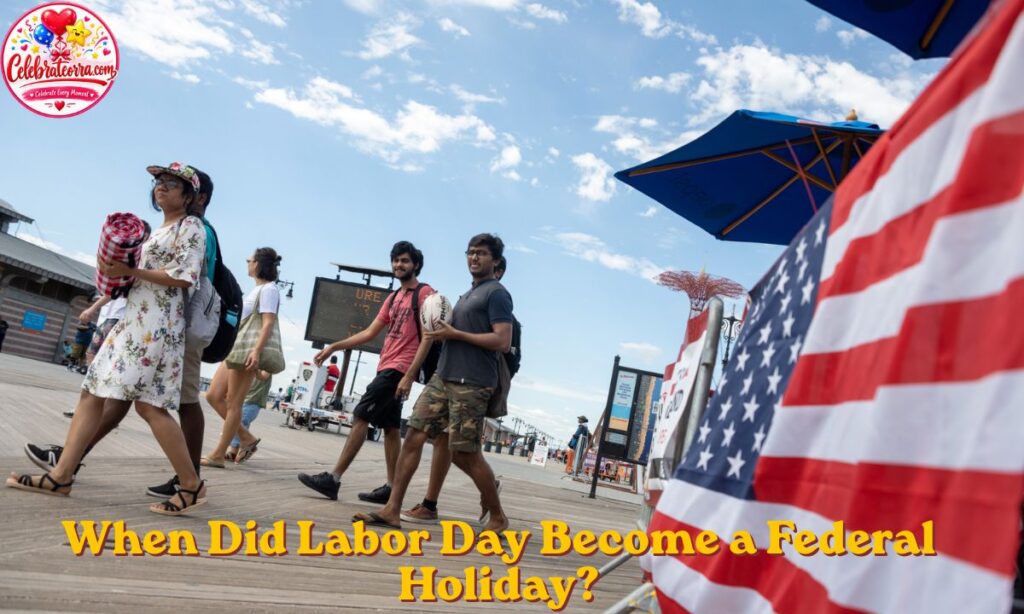
Labor Day became a federal holiday in 1894. On June 28 of that year, President Grover Cleveland signed legislation establishing the first Monday in September as a national holiday. The Library of Congress records the date as a key milestone in the holiday’s development.
The decision came during a period of significant labor unrest in the United States. The Pullman Strike of 1894 had become a major national confrontation involving railroad workers, employers, and the federal government. Although the movement toward a September holiday had begun years earlier, the political environment surrounding labor was particularly tense when Congress acted.
Federal recognition gave the holiday a permanent place on the national calendar. Unlike the original New York celebration, which was organized by labor groups, the federal holiday became an official nationwide observance.
Today, the Office of Personnel Management continues to list Labor Day as a federal holiday observed on the first Monday of September.
Why Is Labor Day Celebrated?
Labor Day is celebrated to recognize the contributions American workers have made to the country’s social and economic development. The holiday acknowledges both individual workers and the broader role of the workforce in building communities and industries.
Its historical significance is closely connected to the labor movement’s efforts to improve employment conditions. Workers and labor organizations campaigned for issues that are now central to discussions about employment, including reasonable working hours, workplace protections, fair compensation, and collective representation.
Modern celebrations are generally less political than the events associated with the holiday’s early years. Families may spend the weekend together, communities may organize parades, and businesses may hold seasonal promotions. Even so, the underlying theme remains recognition of work and workers.
Labor Day can also serve as a moment to consider how employment has changed. The U.S. workforce now includes professions and industries that could not have been imagined when the first celebration took place in 1882. Yet the basic idea of recognizing the people who keep the economy and communities functioning remains relevant.
Read More About This: https://celebrateorra.com/carla-jeffery-dies/
Labor Day vs. May Day
Labor Day and May Day are often confused because both are associated with workers and labor rights, but they have different histories and dates.
In the United States, Labor Day is observed on the first Monday of September. It developed from the American labor movement and became a federal holiday in 1894.
May Day, observed on May 1, became associated internationally with workers and labor movements. The Library of Congress notes that by 1890, May Day had developed into International Workers’ Day and spread as an annual observance in countries around the world.
The two holidays therefore share a connection to workers but emerged through different historical traditions. Labor Day is especially associated with the U.S. labor movement and the September holiday established by Congress, while May Day has a strong international labor and workers’ rights identity.
Another important difference is cultural context. In the United States, September’s Labor Day is commonly linked with a long weekend and the end of summer. In many other countries, May 1 is a major day for worker demonstrations, public gatherings, and labor-related events.
Labor Day Weekend Traditions
For many Americans, Labor Day weekend combines historical recognition with recreation. It is traditionally one of the last major summer weekends for outdoor activities before autumn routines become more prominent.
Common activities include backyard cookouts, beach trips, camping, road trips, family reunions, sporting events, and neighborhood gatherings. Some communities also hold concerts, festivals, fairs, and public ceremonies.
Retailers frequently promote Labor Day sales, while travel destinations can experience increased visitor numbers. Schools in many communities begin their academic year around this period, although school calendars vary considerably by state and district.
Parades, Events and Celebrations
Parades have a particularly important connection to the holiday’s history. The first Labor Day celebration in New York City featured a large procession of workers and supporters, helping establish the tradition of public demonstrations in honor of labor.
Modern parades may include unions, community organizations, local officials, marching bands, businesses, and families. Some events focus on labor history and worker achievements, while others are primarily community festivals.
Cities and towns may also organize concerts, fireworks, food festivals, sporting activities, or cultural programs. The specific events vary widely by location, so local organizers and municipal websites are usually the best sources for current schedules.
Is Labor Day a Public Holiday?
Yes. Labor Day is a federal holiday in the United States. Federal government offices generally recognize the day as a holiday, and federal employees covered by applicable rules receive holiday treatment under federal pay and leave regulations.
However, being a federal holiday does not automatically mean that every private employer must close or give every employee paid time off. Private-sector holiday policies depend on the employer, employment agreement, and applicable law.
Banks, schools, government offices, postal services, financial markets, and other organizations may operate on different schedules. Some businesses remain open throughout the holiday, particularly in industries where continuous or weekend service is normal.
For employees who are unsure whether they have the day off, the most reliable approach is to check their employer’s official holiday calendar or workplace policy.
Labor Day in Other Countries
Labor Day is not exclusively an American concept. Countries around the world recognize workers through holidays with different names, dates, and historical traditions.
In many countries, May 1 is observed as International Workers’ Day or a related labor holiday. The international May Day tradition became established in the late 19th century and was closely associated with the global labor movement.
Some countries use names such as Labour Day, Workers’ Day, or International Workers’ Day. The exact meaning and customs vary according to national history.
This international perspective helps explain why the American September holiday should not automatically be treated as the worldwide “Labor Day.” The United States developed its own September tradition before Congress made it a federal holiday in 1894, while many other nations built their worker observances around May 1.
Despite those differences, the broader theme is similar: recognizing the role of workers and reflecting on the economic and social importance of employment.
Labor Day 2026 Quick Facts
- Date: Monday, September 7, 2026
- Day of the week: Monday
- Weekend: September 5–7, 2026
- U.S. observance: First Monday of September
- Federal status: Federal holiday
- First U.S. celebration: September 5, 1882, in New York City
- First state to designate it a state holiday: Oregon, in 1887
- Federal recognition: June 28, 1894
- President who signed the federal legislation: Grover Cleveland
- Historical purpose: Recognition of workers and their contributions
- Related international observance: May Day, generally observed May 1 in many countries
- Common modern traditions: Parades, cookouts, travel, community events, and family gatherings
Labor Day 2026 therefore carries two identities at once: a historic national observance honoring workers and a modern holiday weekend that many Americans use for rest, travel, and recreation. Federal holiday information confirms that the observance remains fixed to the first Monday of September.
Frequently Asked Questions
What date is Labor Day in 2026?
Labor Day 2026 falls on Monday, September 7, following the traditional first-Monday-in-September schedule.
The date creates a three-day holiday weekend from September 5 through September 7.
Is Labor Day always on the same date?
No, the calendar date changes each year because the holiday is defined as the first Monday of September.
Its weekday remains Monday, while the numerical date can range from September 1 through September 7.
Why is Labor Day celebrated in September?
The U.S. holiday grew from the labor movement’s September celebrations, beginning with the 1882 event in New York City.
Congress later made the first Monday of September the official national observance in 1894.
Is Labor Day the same as May Day?
No, although both holidays recognize workers and have connections to labor movements and worker organization.
Labor Day is the U.S. September holiday, while May Day is internationally associated with May 1.
Is Labor Day a federal holiday?
Yes, Labor Day is a U.S. federal holiday observed on the first Monday of September.
Private employers are not automatically required to close, so workplace schedules and paid leave policies can differ.
Conclusion
Labor Day remains an important reminder that the American workplace was shaped not only by businesses and institutions, but also by generations of workers whose organizing helped bring labor issues into national discussion. From the first New York City celebration in 1882 to federal recognition in 1894, the holiday reflects a long evolution in how the country recognizes work and economic contribution.
For readers searching for Labor Day 2026 information, the date is straightforward: Monday, September 7. Yet the meaning behind the long weekend goes beyond the unofficial close of summer. It connects today’s celebrations with the history of organized labor, public recognition, and changing American workplaces. Whether spent at a parade, around a family table, on the road, or simply taking a well-earned break, the holiday offers an opportunity to appreciate the people whose work keeps communities moving.
David Smith is a creative writer who shares heartfelt wishes, quotes, and ideas to make every moment special.